The Complete Guide to Home Renovations in Brisbane (2026 Edition)
Everything Brisbane Homeowners Need to Know About Planning, Budgeting, Approvals, and Construction for a Successful Renovation
Renovating your home is one of the most effective ways to improve your living space while increasing your property’s value. In a growing city like Brisbane, many homeowners choose to renovate rather than move, especially when they love their neighbourhood but need more space, improved functionality, or a more modern design.
Whether you’re planning a kitchen upgrade, home extension, or a full transformation of an older Queenslander, understanding the renovation process can help you avoid costly mistakes and ensure the project runs smoothly.
In this complete guide to home renovations in Brisbane for 2026, we’ll cover everything you need to know from planning and budgeting to council approvals, construction, and infrastructure considerations.
Why Renovate Instead of Moving?
Brisbane’s property market continues to grow, making it increasingly expensive for many homeowners to move to a new property. Renovating allows you to improve your existing home without the cost and stress of relocating.
Some of the most common reasons Brisbane homeowners choose to renovate include:
- Creating more living space for a growing family
- Modernising older homes
- Improving functionality and layout
- Increasing property value
- Enhancing comfort and energy efficiency
A well-planned renovation can significantly transform how your home looks, feels, and functions, while allowing you to stay in a neighbourhood you already enjoy.
Step 1: Define Your Renovation Goals
Before contacting builders, designers, or architects, it’s important to clearly define what you want to achieve from your renovation.
Consider asking yourself:
- Which areas of the home need improvement?
- Are you renovating for lifestyle improvements, resale value, or both?
- What type of layout or functionality do you want?
- Are there design styles you want to incorporate?
Many Brisbane homeowners prioritise open-plan living areas, outdoor entertaining spaces, or additional bedrooms when renovating.
Creating a clear vision for your renovation will help guide decisions throughout the planning and design stages and ensure your builder understands your expectations.
Step 2: Set a Realistic Renovation Budget
Budget planning is a crucial part of any successful renovation project. Without a well-defined budget, renovation costs can quickly increase.
A typical renovation budget may include:
- Design and drafting services
- Council approvals and building permits
- Construction labour and building materials
- Fixtures, fittings, and finishes
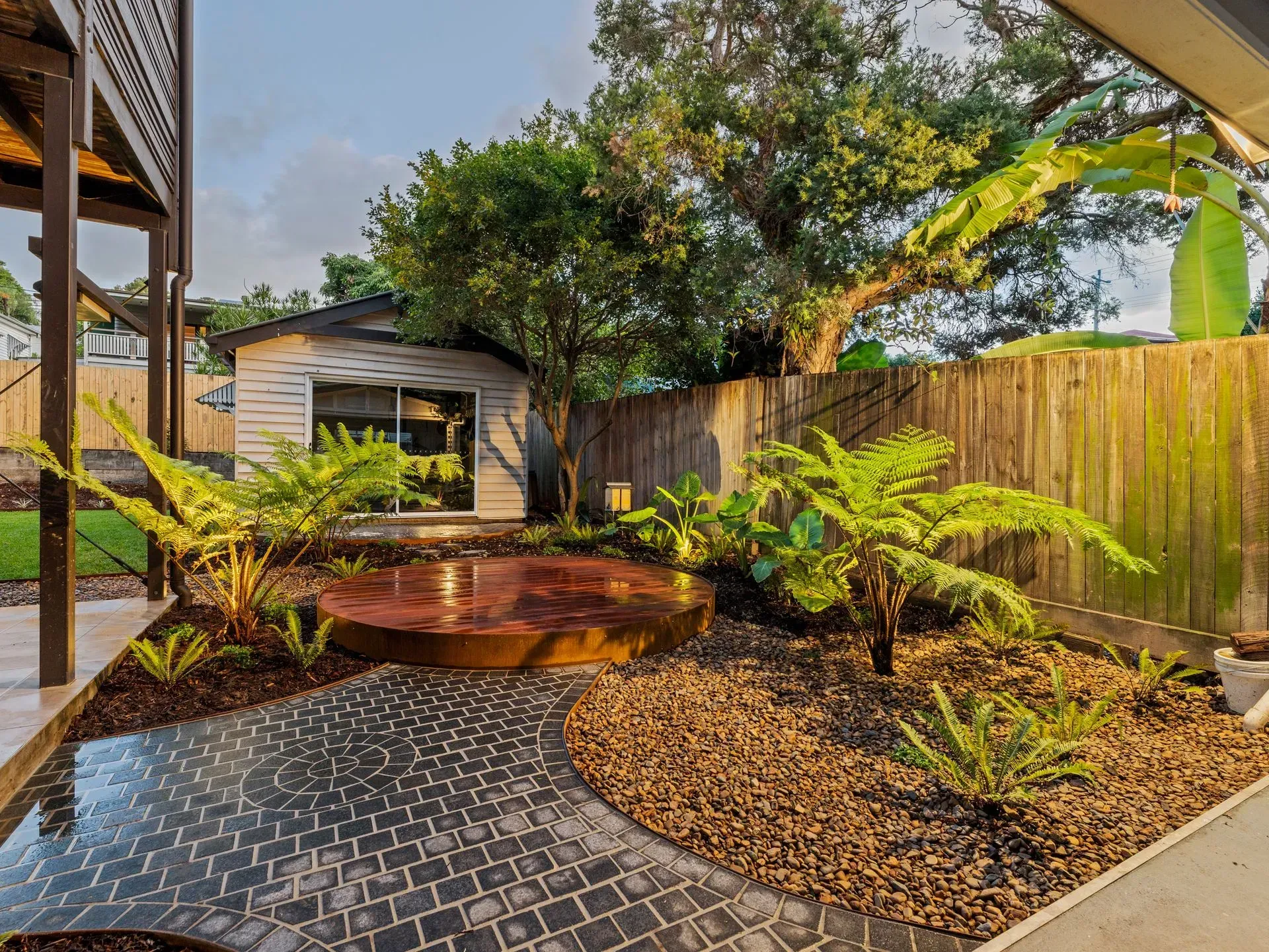
- Landscaping or outdoor improvements
- Plumbing or drainage upgrades
Some homes in Brisbane, particularly those located outside the central sewer network, may require wastewater system improvements. In these situations, homeowners often research the septic tank installation cost in Australia to understand potential infrastructure expenses during renovation.
It is also recommended to include a contingency budget of around 10–15% of the total renovation cost to cover unexpected issues.
Step 3: Work With Experienced Renovation Professionals
Choosing experienced professionals can make a major difference to the success of your renovation project.
A qualified renovation builder can help you:
- Evaluate the feasibility of your renovation ideas
- Identify structural requirements or limitations
- Provide realistic cost estimates
- Create a practical construction timeline
- Coordinate trades and specialist contractors
For projects involving plumbing upgrades or wastewater systems, builders may also recommend consulting licensed professionals or searching for reliable septic system installers near me to ensure installations comply with Australian building and environmental standards.
Working with experienced experts helps ensure your renovation meets Queensland building regulations and safety standards.
Step 4: Design and Planning
Once your goals and budget have been established, the design stage begins. This is where your renovation ideas are transformed into detailed construction plans.
During this stage, you may work with:
- Architects or building designers
- Draftspeople
- Structural engineers
Design planning usually includes:
- Floor plan development
- Structural modification planning
- Interior layout improvements
- Material and finish selections
Taking the time to carefully plan your renovation can reduce delays during construction and help ensure the finished project aligns with your expectations.
Step 5: Council Approvals in Brisbane
Many renovation projects in Brisbane require approval from local authorities, particularly when structural work or extensions are involved.
Renovations that commonly require approval include:
- Home extensions
- Structural modifications
- Raising Queenslander homes
- Adding additional rooms or storeys
Your builder or designer typically assists with preparing documentation and coordinating with building certifiers.
If your renovation includes wastewater infrastructure changes, additional environmental health regulations may apply. Understanding these requirements early in the planning stage can help prevent delays during construction.
Step 6: Preparing for Construction
Before construction begins, several preparations take place to ensure the project runs efficiently.
This stage may involve:
- Finalising contracts and construction timelines
- Ordering materials and fixtures
- Scheduling trades and suppliers
- Preparing the site for building work
Homeowners may also need to consider temporary living arrangements if major renovations affect essential areas such as kitchens or bathrooms.
Clear communication between homeowners and builders during this phase helps set realistic expectations for the construction process.
Step 7: The Construction Phase
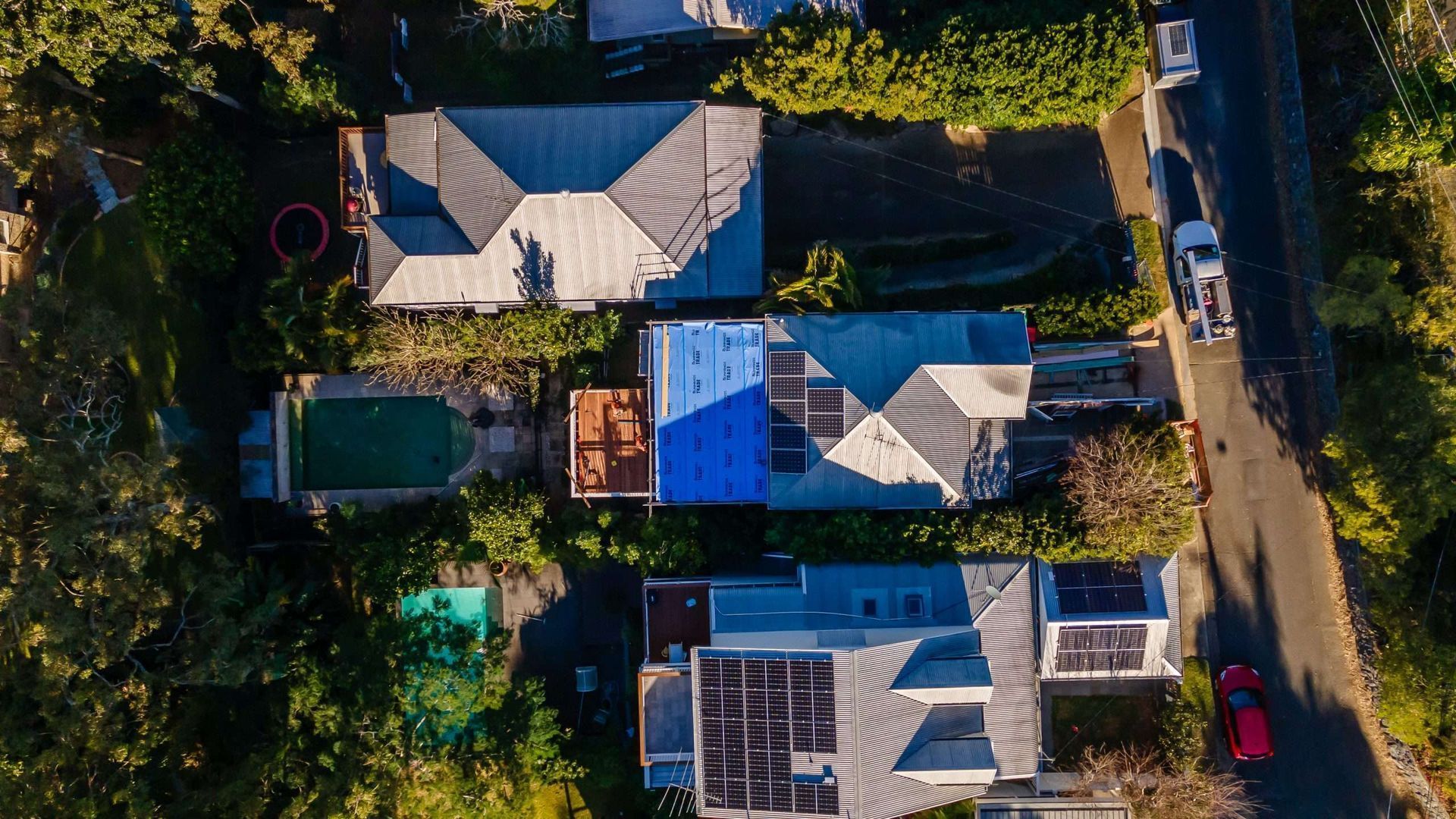
The construction phase is where renovation plans become reality.
Depending on the size and complexity of the project, this stage may include several key phases.
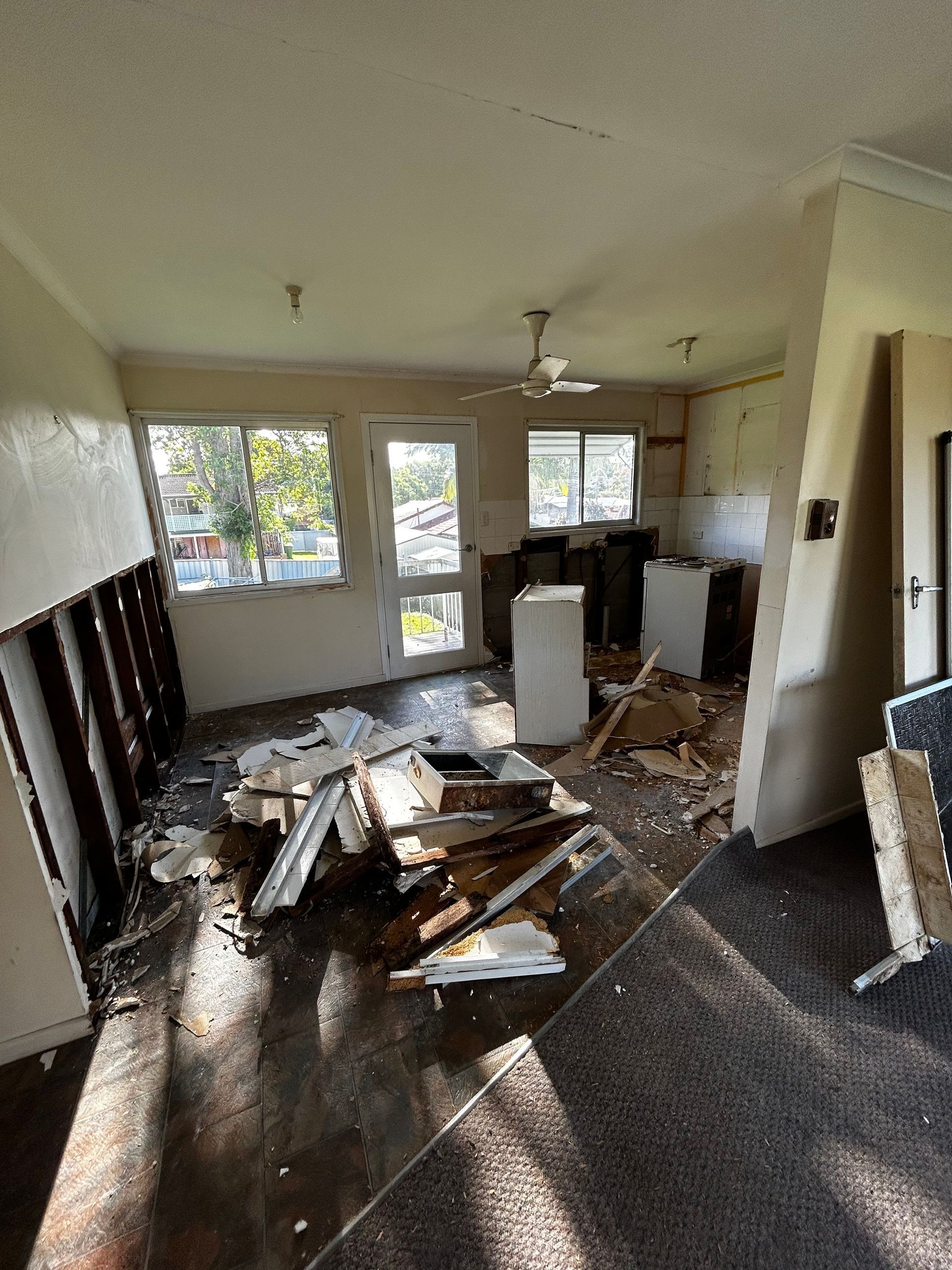
Demolition and Site Preparation
Old fixtures, fittings, or walls may be removed to prepare the home for the new layout.
Structural Work
Builders complete framing, extensions, or structural modifications required for the renovation.
Plumbing and Electrical Installation
Plumbing systems and electrical wiring are installed or upgraded to support the new design.
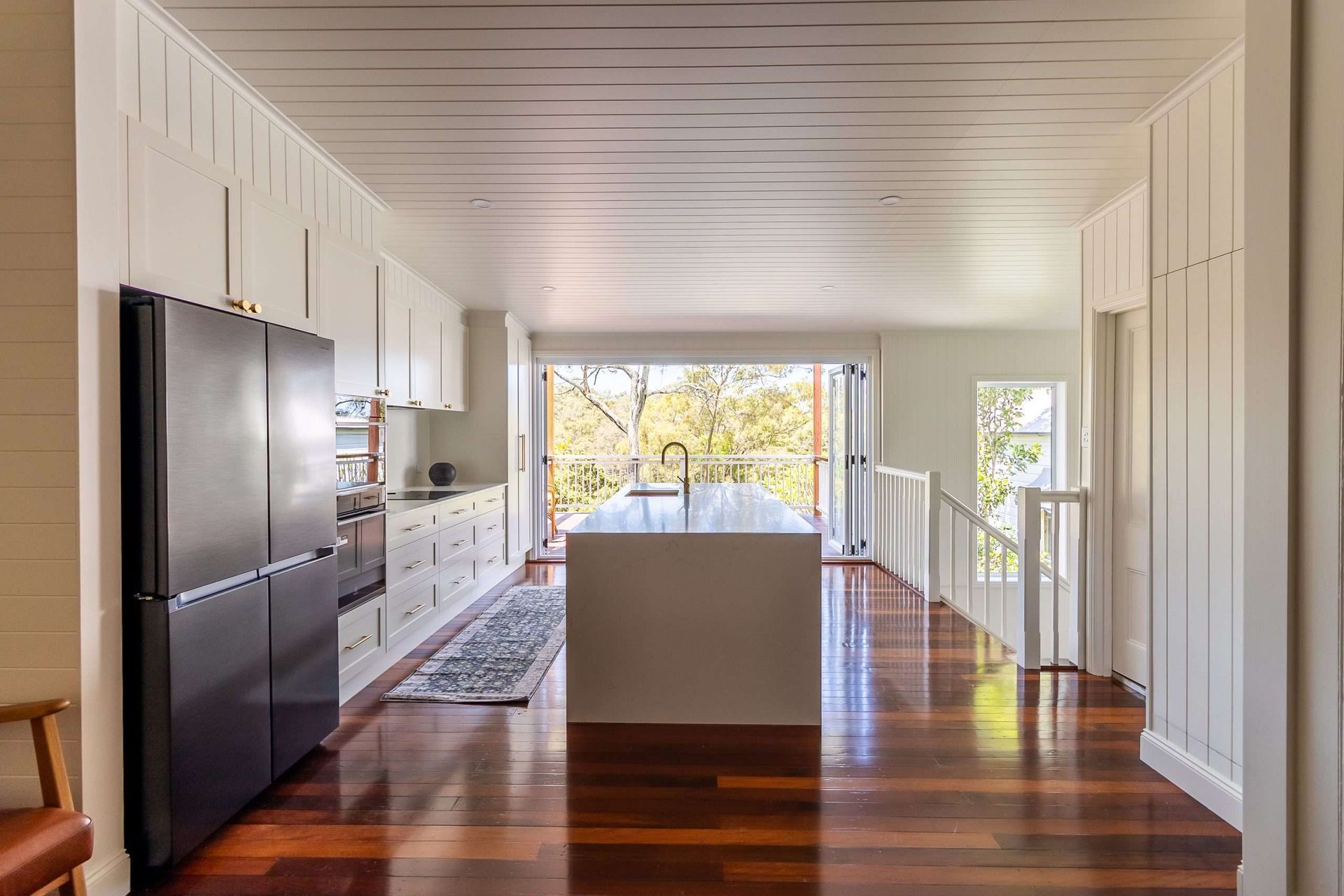
Interior Finishing
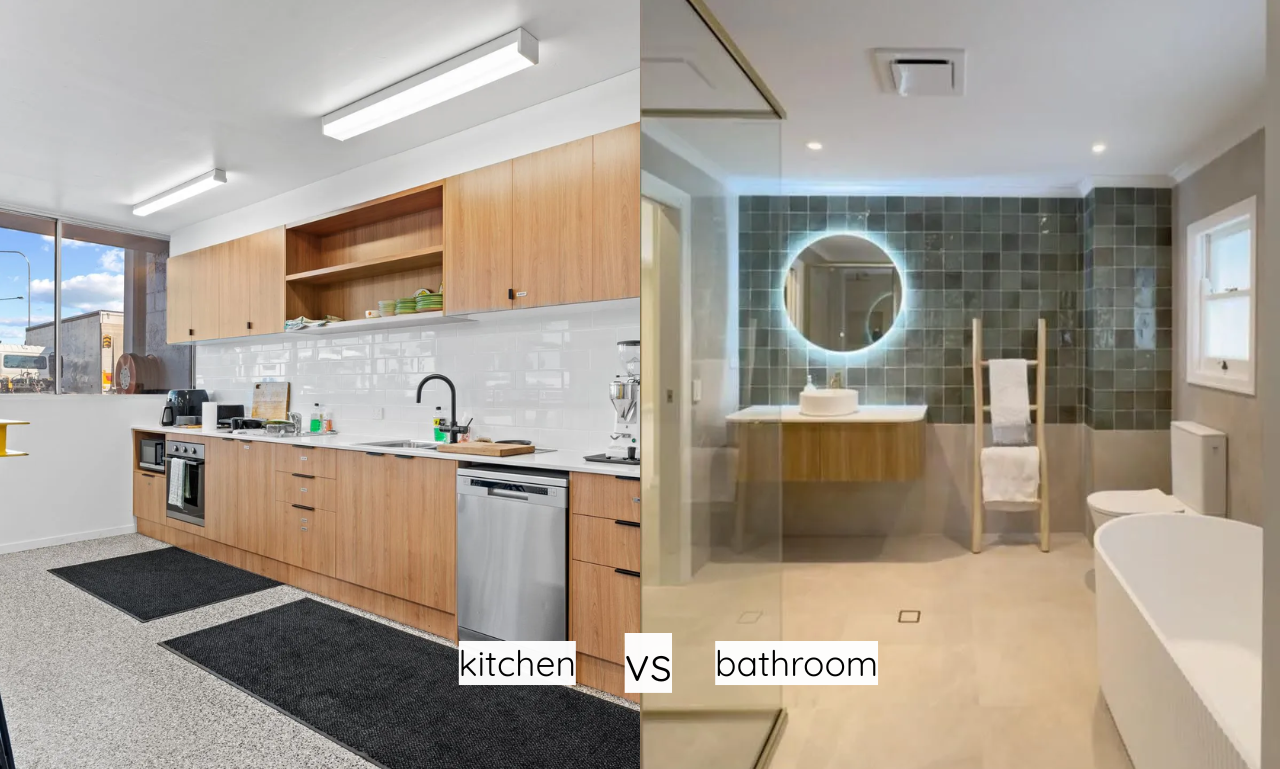
Cabinetry, flooring, tiling, painting, lighting, and other finishes are installed during the final stages of construction.
In some projects, infrastructure improvements such as drainage or wastewater systems may also be installed or upgraded. Understanding the septic tank installation cost and consulting experienced professionals helps ensure these systems meet local regulations.
Step 8: Final Inspections and Project Completion
As the renovation nears completion, final inspections ensure the project meets all building and safety standards.
These inspections may include:
- Building compliance inspections
- Plumbing and electrical checks
- Structural safety assessments
- Final quality inspections
Once inspections are completed and any minor issues are resolved, the builder will hand over the completed renovation.
This is the stage when homeowners can finally enjoy their newly transformed living space.
Renovation Trends in Brisbane for 2026
Home design continues to evolve, and Brisbane homeowners are embracing renovations that enhance both comfort and lifestyle.
Some popular renovation trends in 2026 include:
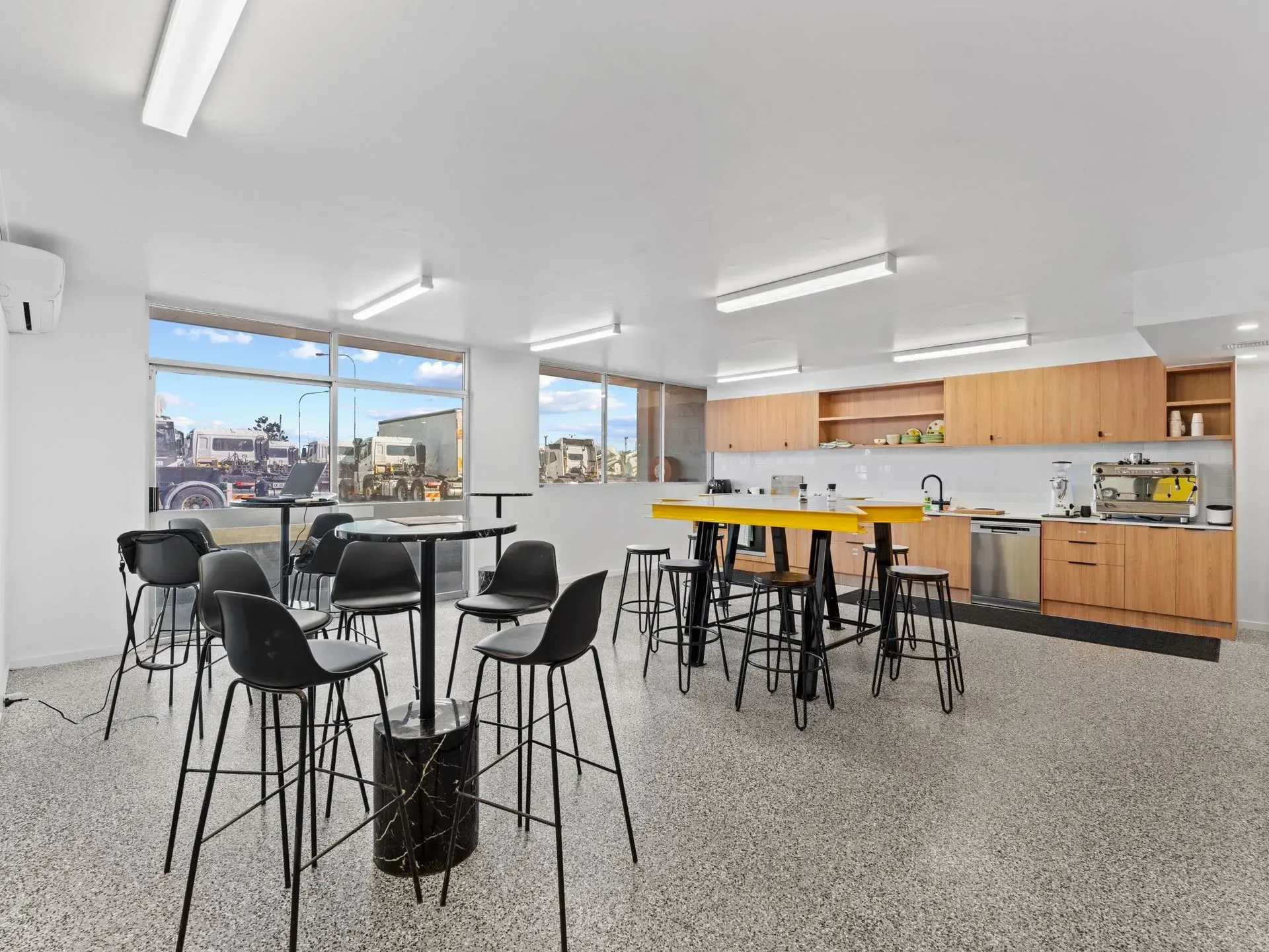
- Open-plan kitchens and living areas
- Indoor–outdoor entertaining spaces
- Energy-efficient appliances and materials
- Smart home technology integration
- Multi-purpose rooms for work and leisure
These upgrades not only improve daily living but can also increase long-term property value.
Renovating your home in Brisbane can be an exciting and rewarding experience when planned carefully. By understanding each stage of the renovation process, from defining your goals and setting a budget to completing construction and inspections, you can approach your project with confidence.
Working with experienced professionals, planning thoroughly, and preparing for potential infrastructure requirements will help ensure your renovation runs smoothly.
FAQs
How much does a home renovation cost in Brisbane?
Renovation costs vary depending on the size and complexity of the project. Small renovations may cost several thousand dollars, while larger structural renovations or extensions can exceed $100,000 or more.
Do renovations require council approval in Brisbane?
Some renovations require approval from Brisbane City Council, particularly projects involving structural changes, extensions, or house raising.
How long does a typical home renovation take?
Small cosmetic renovations may take a few weeks, while larger renovations or home extensions may take several months to complete.